When Private Schools Become the New Luxury Amenity: What South Florida’s Education Boom Says About the Market
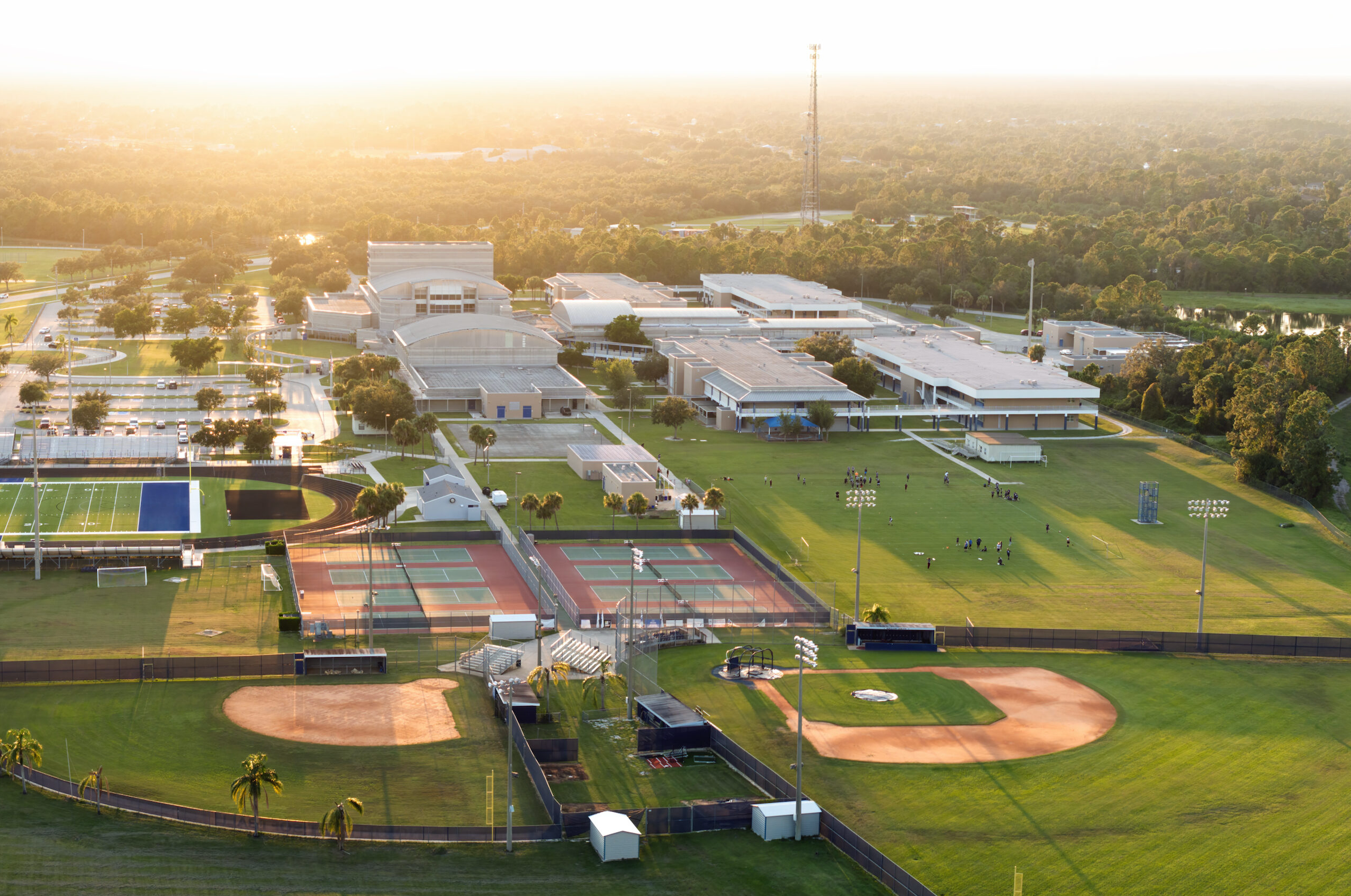
For years, the story of South Florida’s growth has been told through real estate: record-breaking home sales, new luxury developments, corporate relocations and an influx of buyers from New York, California, Chicago and other major markets.
But one of the most interesting signs of how much South Florida has changed may not be found in the housing numbers at all.
It’s in the schools.
A recent Wall Street Journal report highlighted an unusual consequence of South Florida’s population and wealth migration: demand for places at highly sought-after private schools has become so intense that some of the region’s wealthiest residents are helping create entirely new schools.
That tells us something important about where South Florida may be heading next.
From Relocation Destination to Long-Term Home
There is a meaningful difference between buying a second home in Miami and moving a family here permanently.
The latter comes with a much longer checklist.
Where will the children go to school? How long is the commute? Where will they play sports? What is the community like? Can the family build the same quality of life here that they had in New York, Connecticut, California or abroad?
As more families have made South Florida their primary residence, those questions have become increasingly important.
For many of the buyers I work with, the home search and the school search are closely connected. A beautiful house may check every box, but if the location doesn't work for a child's school and the family's daily routine, it may not work at all.
That is why the expansion of South Florida's private-school landscape deserves attention from anyone watching the real estate market.
When Demand Creates Its Own Supply
According to The Wall Street Journal, limited availability at established private schools has helped inspire a new generation of privately funded campuses across South Florida.
One prominent example is The Greene School in West Palm Beach, founded by real estate developer Jeff Greene. Today, tuition at the school ranges from approximately $37,000 to $50,000, depending on grade level. The school also maintains waitlists when individual grades reach capacity.
Farther west in Wellington, another ambitious project is taking shape.
Wingrove Academy is planned as a new nonprofit PreK–12 independent school on a 45-acre campus. The project is being developed by ElevateED and is connected to a larger development involving Related Ross, led by developer Stephen Ross. The school's planned opening has reportedly moved to August 2029.
These are significant investments, but the larger story isn't really about the individuals building them.
It's about why there is enough demand to build them in the first place.
Schools Are Part of the Real Estate Equation
In South Florida, education has increasingly become part of the infrastructure surrounding the luxury housing market.
Families aren't simply comparing square footage, architecture and waterfront access. They are thinking about the complete ecosystem around a home: schools, commute times, airports, restaurants, sports, cultural institutions and community.
And while much of the conversation around relocating families tends to focus on private schools, South Florida also offers another important advantage: many of its most desirable residential neighborhoods are served by highly regarded public schools. For families who may not secure a place at their preferred private school — or who simply prefer the public-school system — choosing the right neighborhood can provide access to excellent educational options close to home.
That adds another layer to the enduring appeal of established family-oriented communities such as Pinecrest, Coral Gables and Coconut Grove. In these areas, the value of a home is tied not only to the property itself, but also to the schools, lifestyle and community surrounding it.
A buyer may initially fall in love with a house, but the decision to purchase often extends well beyond the property line.
Where a child goes to school can influence morning traffic patterns, which neighborhoods a family considers, how close grandparents or caregivers need to live and even whether a relocation makes sense in the first place.
For families moving to Miami from elsewhere, understanding both the public and private school landscape before beginning a home search can save an enormous amount of time — and, in many cases, help determine which neighborhood ultimately feels like home.
South Florida Is Building for the Families Who Are Staying
Perhaps the most interesting part of this trend is what it suggests about the permanence of South Florida's migration.
During the pandemic, it was easy to wonder whether the wave of relocations would eventually reverse.
Instead, the region continues to add many of the institutions that permanent residents expect around them.
New schools are part of that story. So are expanding universities, corporate offices, medical facilities, restaurants, cultural organizations and residential communities.
The evolution is especially visible across the broader South Florida corridor. Miami has become an increasingly important corporate and financial center, while Palm Beach County has attracted significant new investment in business, education and development.
Housing demand doesn't exist independently of those changes. It grows alongside them.
For Buyers, Start With the Lifestyle — Not Just the House
For families considering a move to South Florida, particularly those relocating with school-age children, one of the biggest mistakes is beginning with a list of houses.
Start with the family's life instead.
Where will the children attend school? Where will the parents work? How much driving feels reasonable each day? Is walkability important? Do you want more land and privacy, or proximity to restaurants and activity? Will children be involved in sports that require frequent travel?
Once those questions are answered, the real estate search becomes much clearer.
South Florida has an extraordinary variety of neighborhoods and lifestyles, but they are not interchangeable. A family drawn to the acreage and privacy of Pinecrest may have very different priorities from one looking for the village atmosphere of Coconut Grove or the architecture and central location of Coral Gables.
The right home is ultimately the one that works with the life surrounding it.
A Different Measure of South Florida's Growth
Luxury sales and rising home values tend to generate the headlines, but sometimes the most revealing market indicators are less obvious.
A shortage of seats at private schools may sound like an education story.
It is also a relocation story.
And when families and developers are willing to invest tens — or even hundreds — of millions of dollars creating new educational institutions, it suggests something larger is happening.
South Florida isn't simply attracting new residents.
It is increasingly building the infrastructure for them to stay.